Introduction
In today's digital world, visual communication plays an important role in business growth. From company logos and brochures to social media posts, product catalogues, packaging, and advertisements, businesses need attractive and professional designs to communicate with their target audience.
With the availability of online design tools and ready-made templates, creating graphics has become easier than ever. Business owners can now design their own marketing materials without having advanced graphic design knowledge.
But an important question remains: Is DIY design really the best option for your business, or should you invest in professional graphic design services?
Both approaches have their advantages. DIY design can be useful for simple and quick creative requirements, while professional graphic design offers strategic thinking, customized creativity, consistent branding, and technical expertise.
At Rudra Branding & Design Studio, we understand that every business has different design requirements. In this blog, we will compare DIY design and professional graphic design to help you choose the right approach for your business.
1. What Is DIY Graphic Design?
DIY stands for "Do It Yourself." DIY graphic design means creating visual content independently using online tools, templates, and ready-made design resources.
Many business owners use platforms such as Canva and other online design tools to create their own marketing materials.
Common DIY design applications include:
Social media posts.
Promotional flyers.
Basic posters.
Simple business announcements.
Presentation slides.
Invitations and digital graphics.
Basic marketing banners.
DIY design tools are generally easy to use and offer pre-designed templates that can be customized with your own text, images, and colours.
For startups and small businesses with limited design requirements, DIY tools can be a convenient starting point.
However, creating attractive graphics and developing a consistent professional brand identity are two different things.
2. What Is Professional Graphic Design?
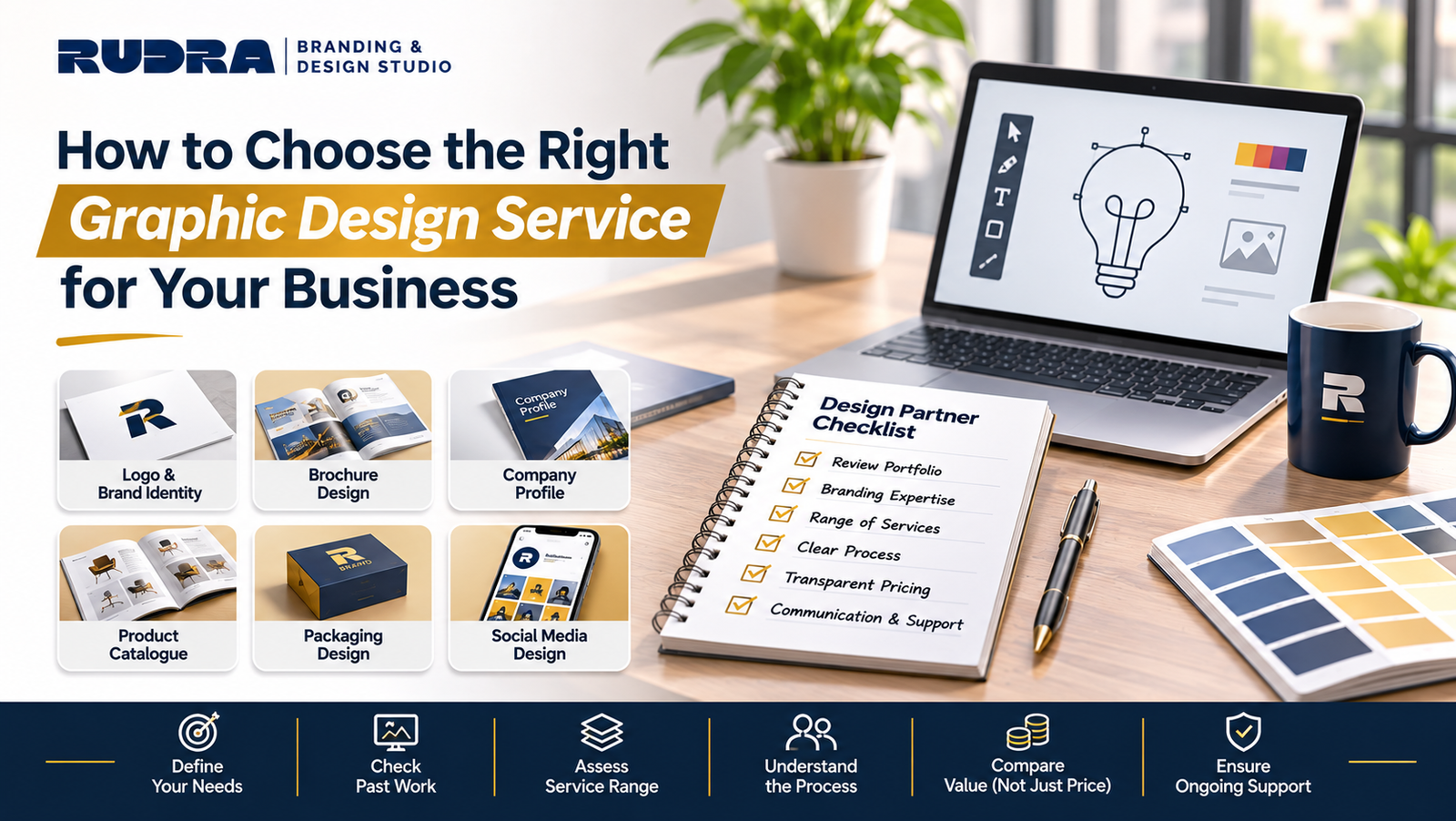
Professional graphic design involves creating customized visual communication materials with the help of trained designers who understand design principles, branding, typography, colour theory, layouts, and production requirements.
Unlike ready-made templates, professional graphic design focuses on understanding your business, target audience, industry, and marketing objectives before developing a design.
Professional graphic design services may include:
Custom Logo Design.
Brand Identity Design.
Company Profile Design.
Brochure Design and Printing.
Product Catalogue Design.
Packaging and Label Design.
Corporate Presentation Design.
Business Card Design.
Social Media Graphic Design.
Advertising and Promotional Design.
The main objective is not simply to make something look attractive. It is to communicate your business message effectively while maintaining a consistent brand identity.
3. DIY Design vs Professional Graphic Design: Key Differences
Understanding the differences between DIY and professional graphic design can help you make better decisions for your business.
| Comparison | DIY Design | Professional Design |
|---|---|---|
| Design Process | Self-created using templates and tools | Customized by design professionals |
| Creativity | Often based on available templates | Original concepts based on requirements |
| Branding | May lack visual consistency | Focuses on consistent brand identity |
| Customization | Depends on tool and template limitations | Greater creative flexibility |
| Time | Requires your own time and effort | Design work is handled by professionals |
| Technical Knowledge | Basic design knowledge may be sufficient | Professional design and production expertise |
| Print Preparation | Requires correct setup and checking | Can include print-ready artwork preparation |
| Best For | Simple and regular graphics | Important business and branding materials |
The right choice depends on your business goals, budget, design requirements, and available time.
4. Professional Branding Creates a Stronger Business Identity
One of the biggest differences between DIY and professional design is brand consistency.
When businesses create different designs using random templates, they may end up using inconsistent colours, fonts, layouts, and visual styles.
This can make their brand look disconnected across different platforms.
Professional brand identity design helps establish a consistent visual system that can be used across:
Company websites.
Social media platforms.
Business cards.
Brochures and catalogues.
Product packaging.
Office signage.
Corporate presentations.
Advertising materials.
A professional designer develops visual guidelines that help maintain a recognizable identity across all these applications.
Consistency helps customers identify your business and creates a more unified brand experience.
5. Professional Logo Design Requires More Than a Template
Your logo is one of the most important elements of your business identity.
Many online tools provide ready-made logo templates that can be customized with a business name and selected colours.
Although this may be suitable for a basic temporary requirement, a professional logo requires deeper consideration.
A professional logo design process involves:
Understanding your business.
Researching your industry.
Identifying your target audience.
Studying competitor identities.
Developing creative concepts.
Selecting suitable typography and colours.
Refining the final design.
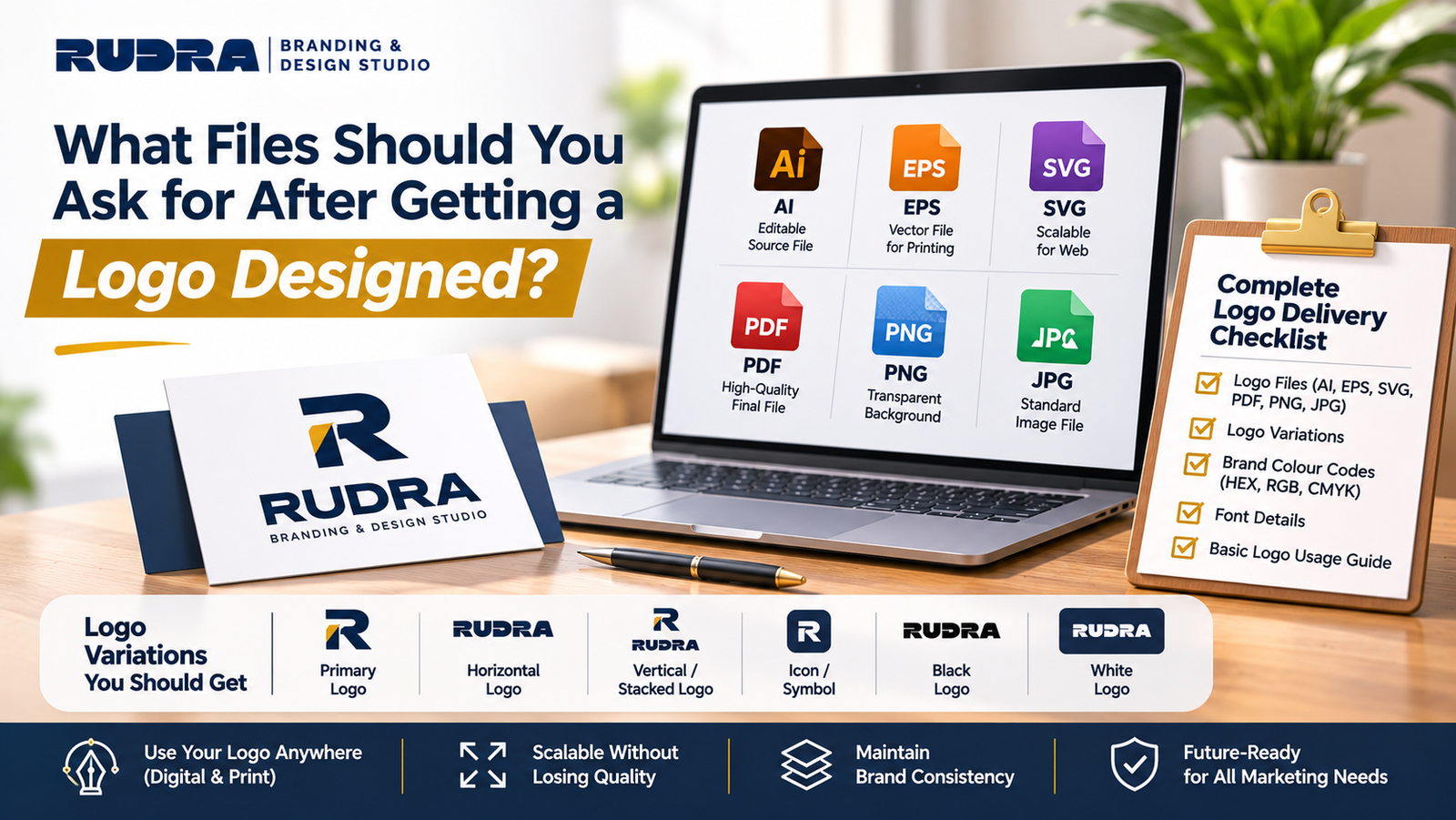
Preparing different logo variations.
A professional logo should also work across different sizes, backgrounds, websites, packaging, stationery, and printed materials.
Your logo should represent your business rather than simply look attractive.
6. DIY Design Can Consume Valuable Business Time
One of the biggest hidden costs of DIY design is the time required to create and manage designs yourself.
Business owners already handle multiple responsibilities, including sales, marketing, operations, customer service, and business development.
Spending several hours adjusting templates, selecting fonts, editing images, and correcting layouts can take time away from important business activities.
Professional graphic design allows you to delegate design responsibilities and focus more on running your business.
For businesses that regularly require brochures, catalogues, presentations, and promotional materials, professional design support can also create a more organized workflow.
7. Professional Graphic Design Improves Marketing Communication
Every marketing material should have a clear purpose.
A social media post should communicate its message quickly. A brochure should explain your services. A product catalogue should present product information clearly. A company profile should introduce your business professionally.
Professional graphic designers understand how to organize information through visual hierarchy, typography, spacing, imagery, and layouts.
This helps businesses create marketing materials that are easier to understand and more relevant to their audience.
For example:
Brochure Design: Helps present your services and business information in an organized format.
Product Catalogue Design: Helps customers explore products, specifications, and available options.
Packaging Design: Communicates product identity and important product information.
Corporate Presentation Design: Helps communicate business proposals, capabilities, and strategies.
The goal is to make every design useful for its intended marketing purpose.
8. Print Design Requires Technical Knowledge
A design that looks perfect on a computer screen may not produce the same result when printed.
This is especially important for businesses that regularly print brochures, catalogues, business cards, packaging, labels, and promotional materials.
Professional print design requires attention to technical details such as:
Correct document dimensions.
CMYK colour settings where required.
Image resolution.
Bleed and safe margins.
Font handling.
File formats.
Paper selection.
Printing and finishing requirements.
DIY users may overlook these details, resulting in colour differences, incorrect dimensions, blurry images, or unwanted cropping.
Professional graphic designers understand how to prepare artwork according to the requirements of the selected printing process.
This can help reduce avoidable production errors.
9. DIY Design vs Professional Design: Which Is More Cost-Effective?
Cost is one of the most common reasons businesses choose DIY design.
Online tools may offer free or affordable design options, making them suitable for businesses with simple and occasional requirements.
However, the overall cost of design should also consider time, revisions, quality, consistency, and the purpose of the material.
Consider the following:
DIY Design
Useful for simple daily graphics.
Suitable for basic promotional announcements.
Offers convenient access to templates.
Requires your own time and effort.
May require additional work to maintain consistency.
Professional Graphic Design
Suitable for important brand assets.
Provides customized creative solutions.
Helps maintain consistent branding.
Offers professional design expertise.
Can include technical preparation for printing.
Neither approach is always cheaper or better. The best decision depends on the importance and complexity of the design requirement.
10. When Should Your Business Choose DIY Design?
DIY design can be a practical option for certain everyday requirements.
Consider using DIY tools when:
You need simple internal announcements.
You create occasional social media updates.
You are preparing temporary promotional graphics.
You need basic presentation slides.
You are experimenting with initial content ideas.
Your design does not require complex branding or printing.
For these requirements, online design tools can help you create and update graphics conveniently.
However, use your established brand colours, fonts, and logo guidelines to maintain consistency.
11. When Should Your Business Hire a Professional Graphic Designer?
Some design requirements are too important to depend entirely on ready-made templates.
Consider professional graphic design services when:
Launching a new business.
Creating a company logo.
Developing a complete brand identity.
Preparing a company profile.
Designing product catalogues.
Creating premium brochures.
Developing product packaging.
Preparing important business presentations.
Planning a major advertising campaign.
Creating professional print materials.
These materials represent your business to potential customers, distributors, suppliers, and business partners.
Investing in professional design can help you communicate your business identity more effectively.
12. The Best Approach: Combine DIY and Professional Graphic Design
Your business does not necessarily need to choose only one approach.
A practical strategy is to use professional graphic design for important brand assets and DIY tools for simple everyday creative requirements.
For example:
| Business Requirement | Recommended Approach |
|---|---|
| Company Logo | Professional Design |
| Brand Identity | Professional Design |
| Company Profile | Professional Design |
| Product Catalogue | Professional Design |
| Packaging Design | Professional Design |
| Daily Social Media Updates | DIY or Professional |
| Internal Announcements | DIY Design |
| Important Advertising Campaigns | Professional Design |
| Corporate Brochures | Professional Design |
| Simple Event Invitations | DIY or Professional |
This approach allows businesses to maintain professional branding while managing routine design requirements conveniently.
13. Common DIY Graphic Design Mistakes to Avoid
If you create your own graphics, be careful about these common mistakes:
Using too many fonts in one design.
Choosing inconsistent brand colours.
Overusing ready-made templates.
Using low-resolution images.
Adding too much text.
Ignoring spacing and alignment.
Using difficult-to-read typography.
Stretching logos or images.
Forgetting contact information.
Using incorrect print dimensions.
Creating inconsistent social media graphics.
Following basic design principles and maintaining a simple brand style guide can help improve your DIY designs.
14. Why Choose Rudra Branding & Design Studio?
At Rudra Branding & Design Studio, we help businesses create professional visual identities and marketing materials that communicate their brand value.
We understand that every business has different design requirements, target audiences, and marketing objectives.
Our focus is on creating customized design solutions that combine creativity, clarity, and consistent branding.
Our services include:
Professional Logo Design.
Brand Identity Design.
Company Profile Design.
Brochure Design and Printing.
Product Catalogue Design.
Packaging and Label Design.
Corporate Presentation Design.
Business Card and Corporate Stationery Design.
Social Media Graphic Design.
Flyer and Poster Design.
Printing Solutions.
Whether you are a startup, manufacturer, wholesaler, retailer, exporter, or established company, we can help you present your business professionally through customized graphic design solutions.
Our goal is to help your business build a recognizable identity and communicate more effectively with customers.
Frequently Asked Questions (FAQs)
1. What is the difference between DIY design and professional graphic design?
DIY design involves creating graphics independently using templates and online tools. Professional graphic design involves customized creative solutions developed by designers who understand branding, visual communication, and technical design requirements.
2. Is DIY graphic design good for small businesses?
Yes. DIY design can be useful for small businesses that need simple social media posts, basic announcements, and occasional promotional graphics. However, important brand assets may benefit from professional design.
3. Why should businesses hire a professional graphic designer?
A professional graphic designer can help businesses develop customized designs, maintain brand consistency, improve visual communication, and prepare artwork for different digital and print applications.
4. Is Canva enough for professional business branding?
Canva is a useful design platform for creating many types of graphics. However, a complete branding project may require additional expertise in logo development, brand strategy, typography, customized design, and production requirements.
5. Which business materials should always be professionally designed?
Important materials such as logos, brand identity systems, company profiles, product catalogues, packaging, premium brochures, and major corporate presentations are generally worth investing in professionally.
6. Does professional graphic design cost more than DIY design?
Professional design usually involves a service fee, while DIY tools may be free or lower-cost. However, the total value should also consider your time, design quality, consistency, and business requirements.
7. Can I use both DIY and professional graphic design?
Absolutely. Many businesses use professional designers for important branding and marketing materials while using DIY tools for routine announcements and simple graphics.
8. Does Rudra Branding & Design Studio provide complete graphic design services?
Yes. Rudra Branding & Design Studio provides logo design, brand identity, brochures, catalogues, company profiles, packaging, labels, corporate presentations, social media design, and printing solutions.
Conclusion
DIY design and professional graphic design both have their own advantages. DIY tools offer convenience and flexibility for simple everyday graphics, while professional graphic design provides customized creativity, consistent branding, and specialized design expertise.
The right approach depends on your business objectives, budget, design complexity, and the importance of each marketing material.
For important brand assets such as logos, company profiles, product catalogues, brochures, and packaging, professional design can help your business maintain a stronger and more consistent identity.
At Rudra Branding & Design Studio, we believe that good design is not just about creating attractive visuals. It is about communicating your business value and making your brand stand out professionally.
Create Smart Designs. Build a Professional Identity. Grow with Confidence.